 GitHub
 Hugging Face
 X
X
 Bluesky
 LinkedIn
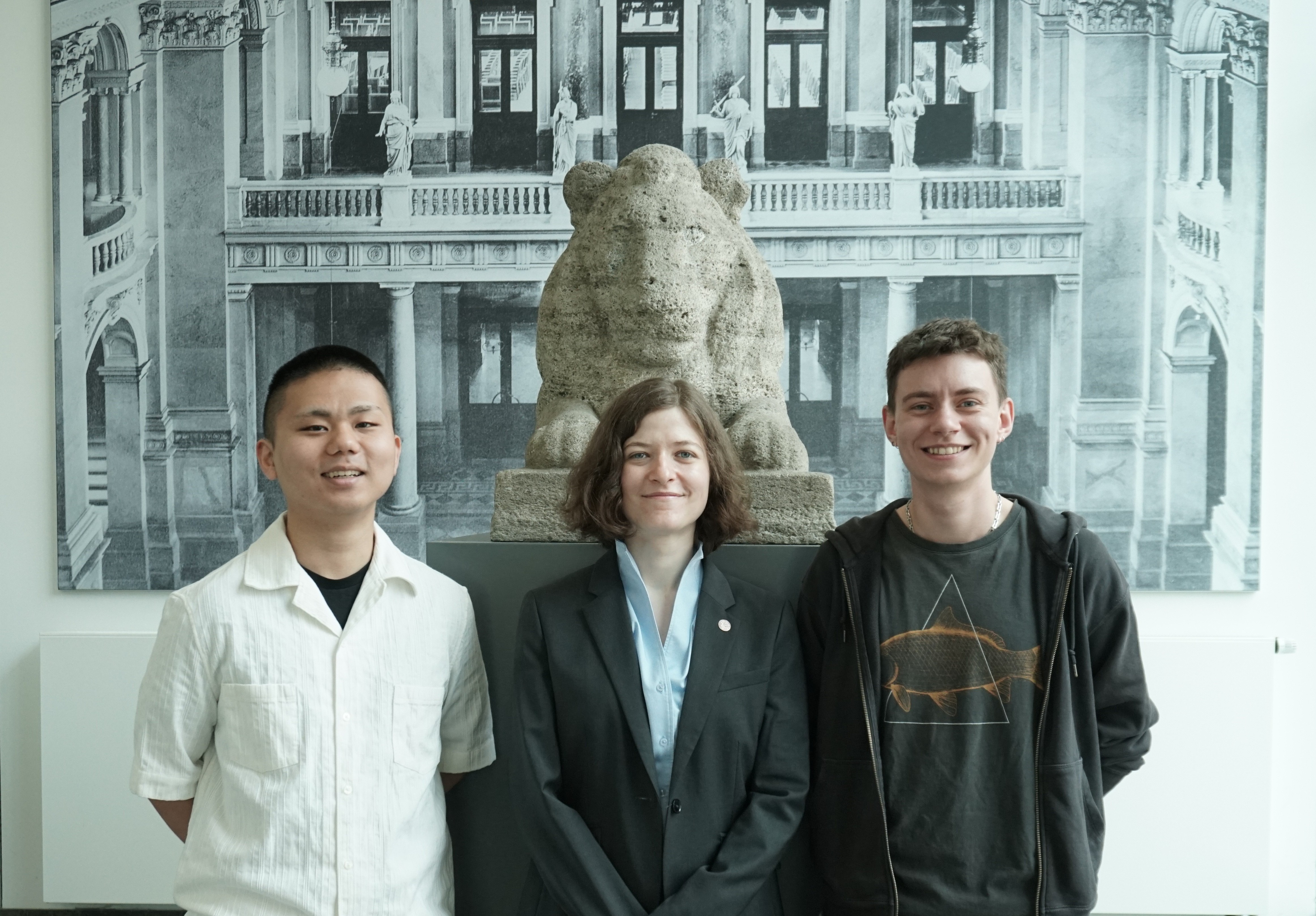
We are a research group at the Department of Computer Science at Leipzig University, Germany, led by Jun.-Prof. Dr. Leonie Weissweiler.
We work on linguistically-oriented natural language processing — asking what language models actually learn about the structure of language, and using insights from linguistic theory to build better, more interpretable NLP systems.
Latest News
October 2026
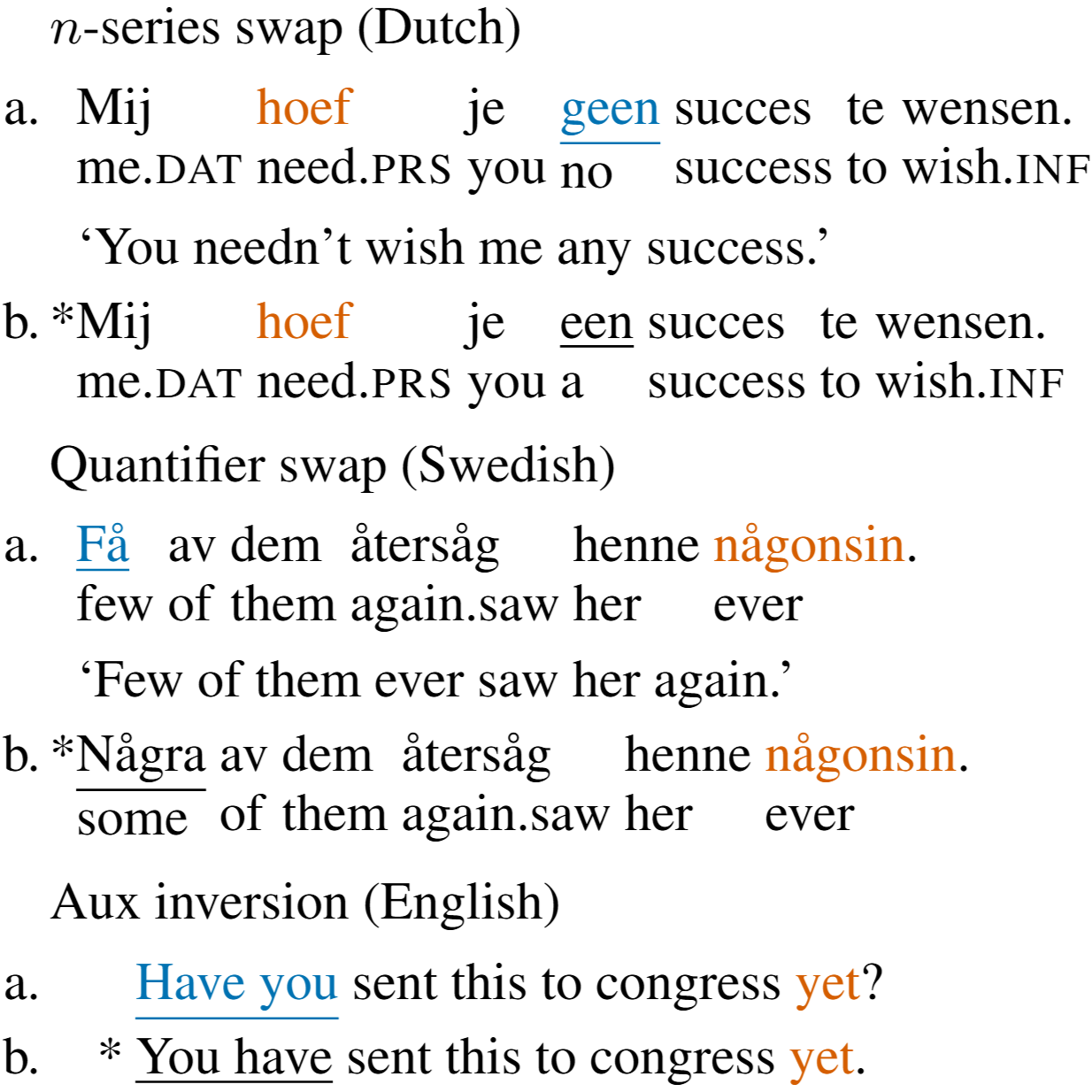
New preprint: BLiMPPI, a multilingual benchmark for polarity items
BLiMPPI: Benchmark of Linguistic Minimal Pairs for Polarity Items by Arzu Burcu Güven, Anna Rogers, Leonie Weissweiler, Joakim Nivre, and Rob van der Goot is now on arXiv. BLiMPPI contains over 12,000 negative polarity item minimal pairs across 33 languages, built by a pipeline that discovers NPIs in Universal Dependencies treebanks, labels their licensing environments, and perturbs them into minimal pairs.
August 2026
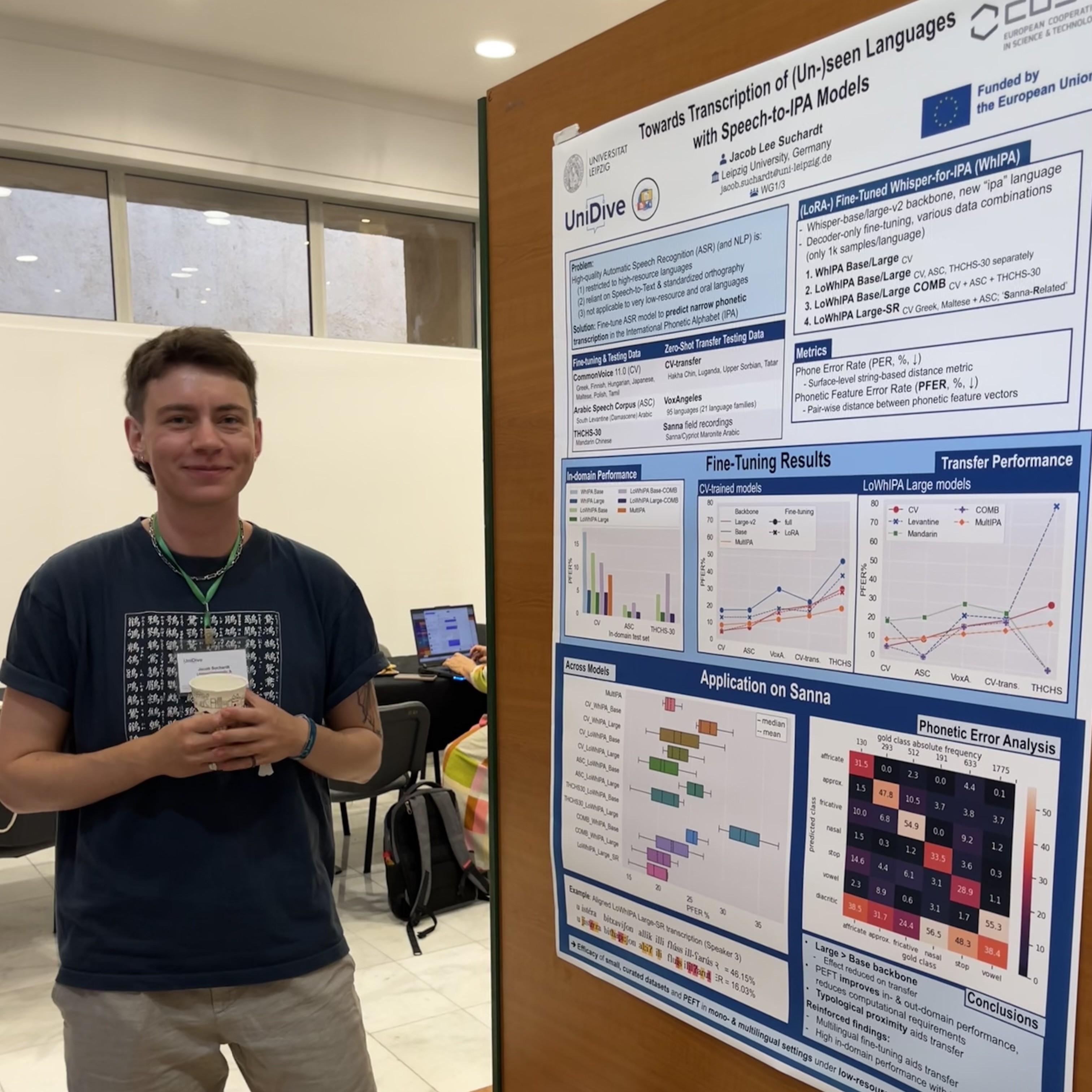
Jacob Lee Suchardt presented a poster at the 4th UniDive General Meeting
Jacob Lee Suchardt presented a poster on Towards Transcription of (Un-)seen Languages with Speech-to-IPA Models, based on his EMNLP 2025 paper Towards Language-Agnostic STIPA: Universal Phonetic Transcription to Support Language Documentation at Scale, at the 4th UniDive General Meeting, hosted by the Research Institute for Artificial Intelligence of the Romanian Academy (RACAI) in Bucharest.
August 2026
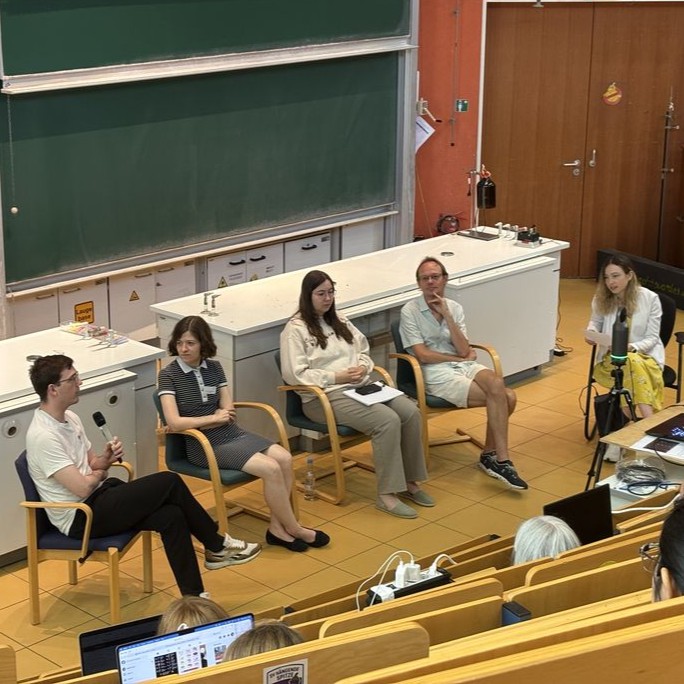
Leonie Weissweiler took part in the ML4Chem 2026 career round table
Leonie Weissweiler joined the career round table at ML4Chem 2026 — Modern ML in Chemistry, a discussion of research careers inside and outside academia, hosted by the Faculty of Chemistry at Leipzig University.
June 2026
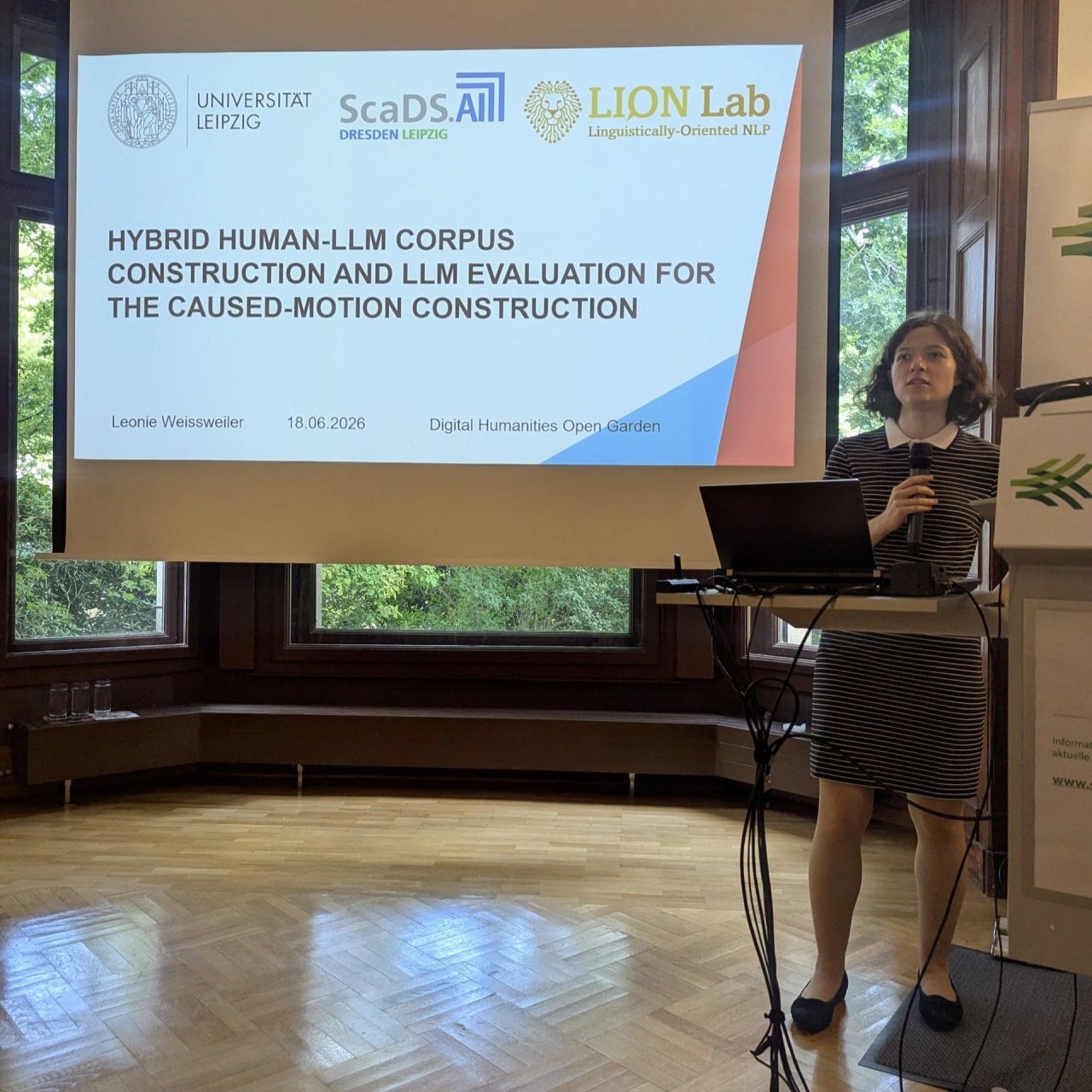
Leonie Weissweiler presented at the Digital Humanities Open Garden 2026
Leonie Weissweiler gave a talk on Hybrid Human-LLM Corpus Construction and LLM Evaluation for the Caused-Motion Construction at the Digital Humanities Open Garden 2026, hosted by the FDHL at the Sächsische Akademie der Wissenschaften zu Leipzig.
June 2026
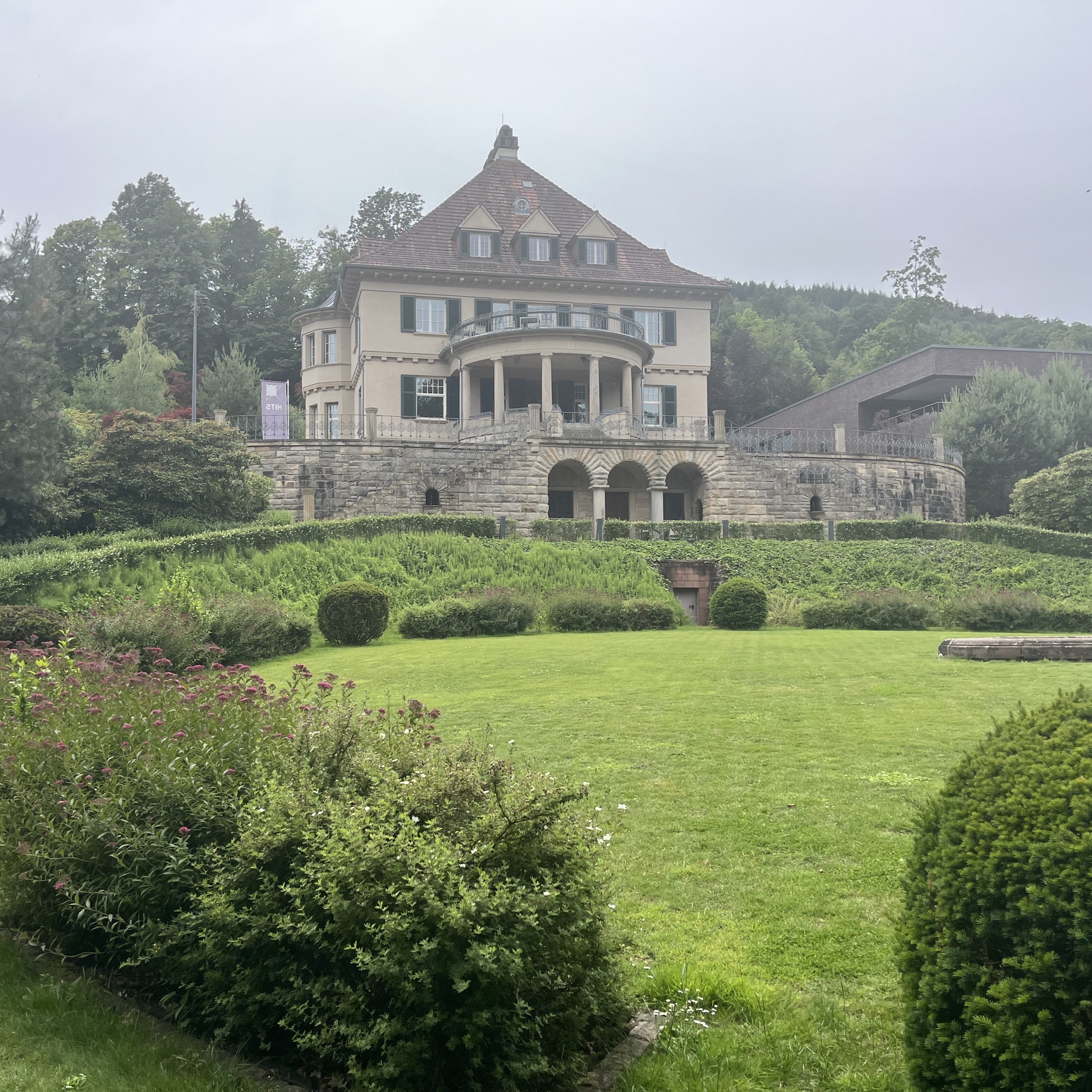
Leonie Weissweiler gave invited talks at Heidelberg University and HITS
Leonie Weissweiler gave an invited talk on "Expanding the Linguistic Evaluation of Language Models, or: What to do now that LMs are good" at the Computational Linguistics Colloquium at Heidelberg University, and at the Heidelberg Institute for Theoretical Studies (HITS).
Funding
We are grateful for support from ScaDS.AI Dresden/Leipzig (Center for Scalable Data Analytics and Artificial Intelligence).